What are the basic teachings of Islam, and what does it mean to be a Muslim? Continue reading “Five Pillars to Hold Myself Up: What do Muslims Believe?”

What are the basic teachings of Islam, and what does it mean to be a Muslim? Continue reading “Five Pillars to Hold Myself Up: What do Muslims Believe?”

Who was Muhammad, and how did the Arab world of the seventh century shape his teachings? Continue reading “Muhammad, the Prophet of Islam”
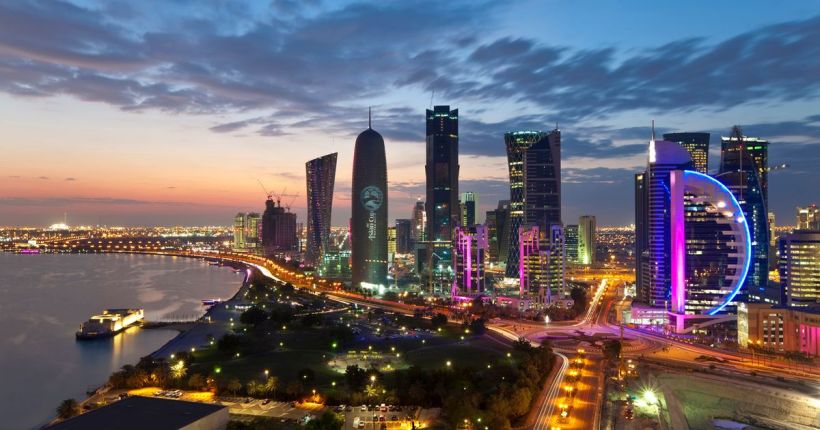
This November, I will have the pleasure of participating in the Bilateral US-Arab Chamber’s Teachers Educating Across Cultures in Harmony (TEACH) Fellowship. This fellowship will take me to UAE, Qatar, and Bahrain and provide the basis for new lessons focusing on Islam and the Middle East here at Open Ended Social Studies. Continue reading “Upcoming Research Trip to the Middle East”
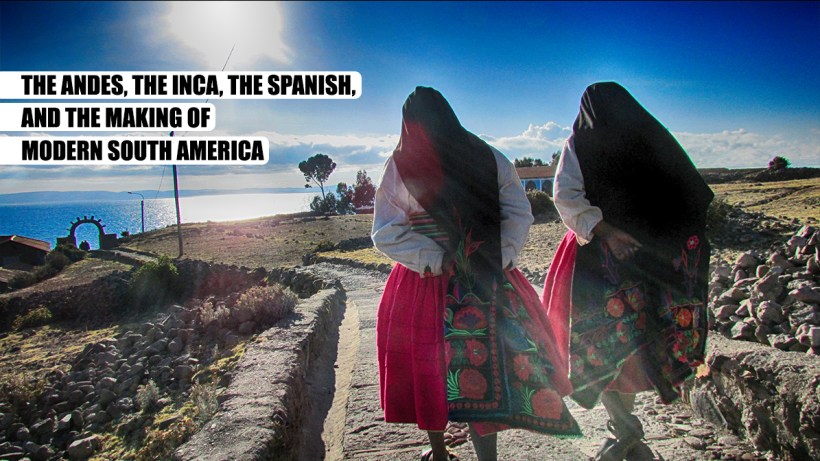


The first immigrants to Europe arrived thousands of years ago from central Asia. Most pre-contact Europeans lived together in small villages. Because the continent was very crowded, their lives were ruled by strict hierarchies within the family and outside it to control resources. Europe was highly multi-ethnic, and most tribes were ruled by hereditary leaders who commanded the majority “commoners.” These groups were engaged in near constant warfare.
Pre-contact Europeans wore clothing made of natural materials such as animal skin and plant and animal-based textiles. Women wore long dresses and covered their hair, and men wore tunics and leggings. Both men and women liked to wear jewelry made from precious stones and metals as a sign of status. Before contact, Europeans had very poor diets. Most people were farmers and grew wheat and vegetables and raised cows and sheep to eat. They rarely washed themselves, and had many diseases because…
View original post 431 more words

Globalization is nothing new – the indigenous peoples slaving away in the Potosi mines 500 years ago could tell you all about it, while Europeans cracked the whip in order to buy Asian-made goods at affordable prices. Add in the fact that the mines were supplied with food and coca by African slaves laboring away in the low lands, and you have a template for the modern integrated global economy – exploitation, unequal rewards, and all. Continue reading “Potosi and the Globalization of an Empire”
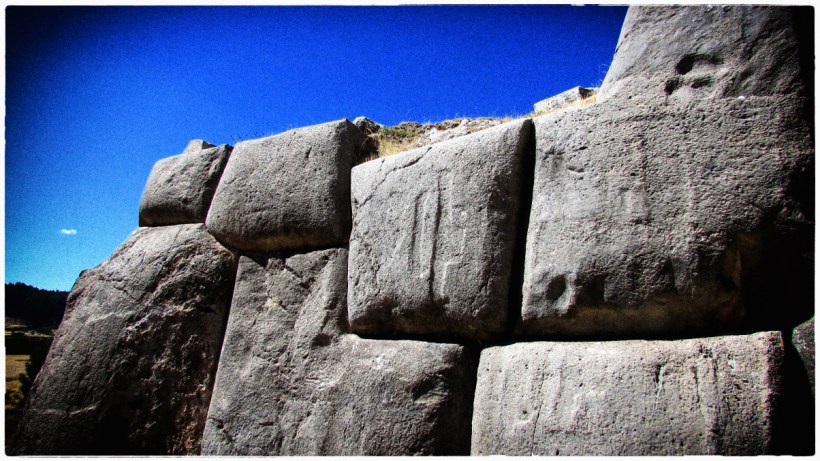

I am writing you from Iquitos, Peru, a muddy, rough and tumble town deep in the Amazon. I’m looking out at the river as I write this actually. It’s the closest I’ve ever felt to the end of the world… there is no road through the rainforest to this city… the only access is by river or by air, and it feels just slightly off. Like everyone is on their own. Everything is crumbling in the oppressive heat and humidity, and while it feels like anything could happen, it probably won’t, because, you know, the resigned shrug of an insignificant frontier town. Continue reading “July 11, 2016: Live from Deep in the Amazon”
 open ended social studies
You must be logged in to post a comment.