What if people told European history like they told Native American history?

Kai's avatarAn Indigenous History of North America

The first immigrants to Europe arrived thousands of years ago from central Asia. Most pre-contact Europeans lived together in small villages. Because the continent was very crowded, their lives were ruled by strict hierarchies within the family and outside it to control resources. Europe was highly multi-ethnic, and most tribes were ruled by hereditary leaders who commanded the majority “commoners.” These groups were engaged in near constant warfare.

Pre-contact Europeans wore clothing made of natural materials such as animal skin and plant and animal-based textiles. Women wore long dresses and covered their hair, and men wore tunics and leggings. Both men and women liked to wear jewelry made from precious stones and metals as a sign of status. Before contact, Europeans had very poor diets. Most people were farmers and grew wheat and vegetables and raised cows and sheep to eat. They rarely washed themselves, and had many diseases because…

View original post 431 more words
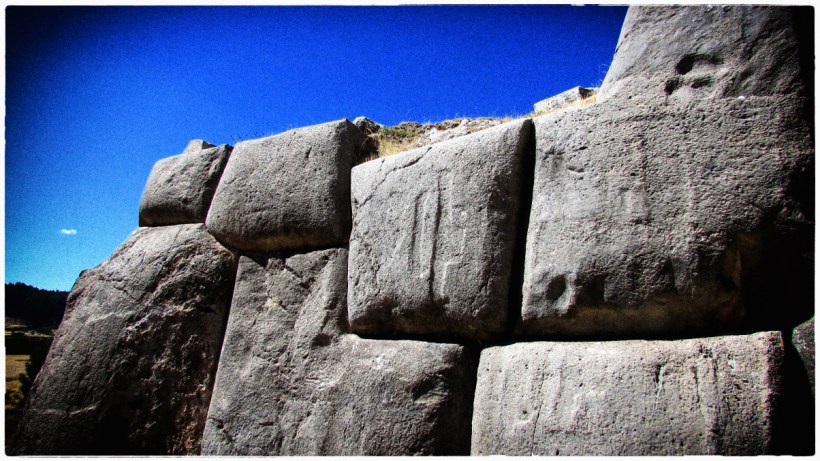
The Inca: Church, State, and the Arc of History in the Realm of the Four Parts

Continue reading “The Inca: Church, State, and the Arc of History in the Realm of the Four Parts”

July 26, 2016: Tiwanaku, Aliens in Ancient Bolivia, and the Ruins of an Old World

Author Charles C. Mann has called Tiwanaku a combination of the Vatican and Disney World, and he may be spot on in that description.  Just check out the stone megaphones for working the massive crowds of pilgrims that, in pre-Inca times, once trekked here to pay their dues, or the 25 foot tall megalithic being recovered from the ruins here, only to spend decades as a target for beer bottles in front of La Paz’s soccer stadium, rescued only when he achieved UNESCO statues along with the rest of Tiwanaku.  Now that is religious entertainment…. Continue reading “July 26, 2016: Tiwanaku, Aliens in Ancient Bolivia, and the Ruins of an Old World”

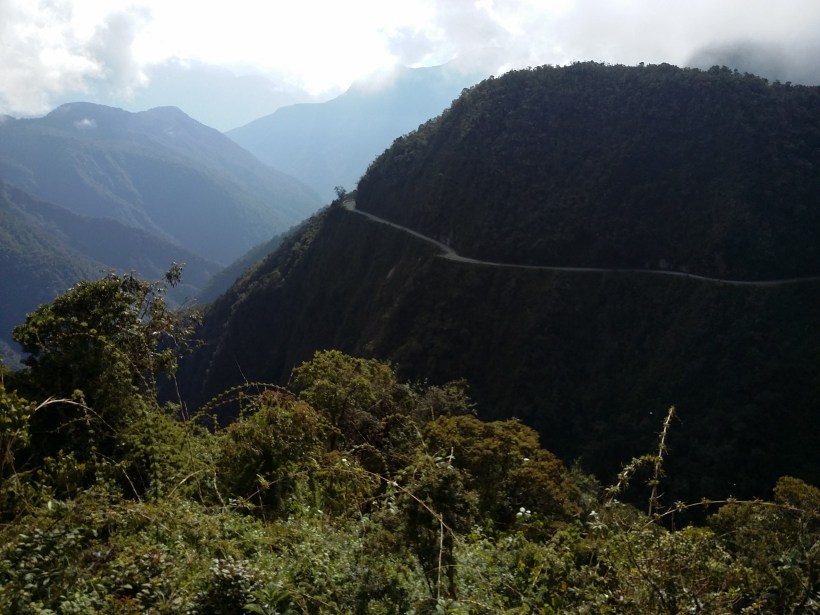
July 25, 2016: It’s a Long Way Down… THE DEATH ROAD!

There was nothing deep about today…  except the steep canyon, its greedy mouth open wide to my left hand side.  My mountain bike skids in the dust, but I’m alright.  It’s just the Death Road..

Continue reading “July 25, 2016: It’s a Long Way Down… THE DEATH ROAD!”

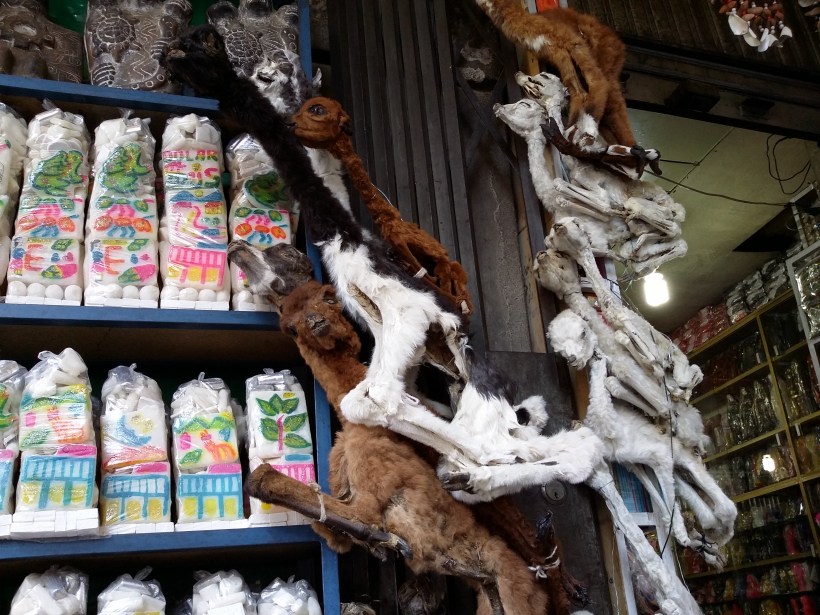
July 24, 2016: Cable Cars, Folk Masks, and Fighting Cholitas

This morning, I woke up on the bus from Potosi, just as we entered La Paz, and two million little lights called out in the darkness to welcome me.  I was going to spend this day with the city. Continue reading “July 24, 2016: Cable Cars, Folk Masks, and Fighting Cholitas”

July 16-17, 2016: At Home with Faustina

Given the challenging conditions faced by people across Peru – from the isolated villages of the Amazon to the unforgiving Andean highlands – it should be no surprise that people have found a way to make a living in Titicaca, the world’s highest navigable lake. Continue reading “July 16-17, 2016: At Home with Faustina”

July 15, 2016: The Lake at the Top of the World

I spent last night on the floor of Lima’s Jorge Chavez International Airport.  Now that Jasmine has gone home, I’ve pretty much given up on all of those silly frills and perks that girls like, like beds or showers.   Continue reading “July 15, 2016: The Lake at the Top of the World”