Meet my World – a film by Peruvian youth, in their own words.

Meet my World – a film by Peruvian youth, in their own words.

From the filmmakers:

Amantani is an Anglo Peruvian NGO, which works to help children from marginalised Quechua families to access education, stimulating social development for Peru’s most disadvantaged communities. Together with our friends at Andina restaurant in London, we have created Meet My World; a participatory film campaign developed by indigenous children from the Andes of Peru.

Continue reading “Meet my World – a film by Peruvian youth, in their own words.”
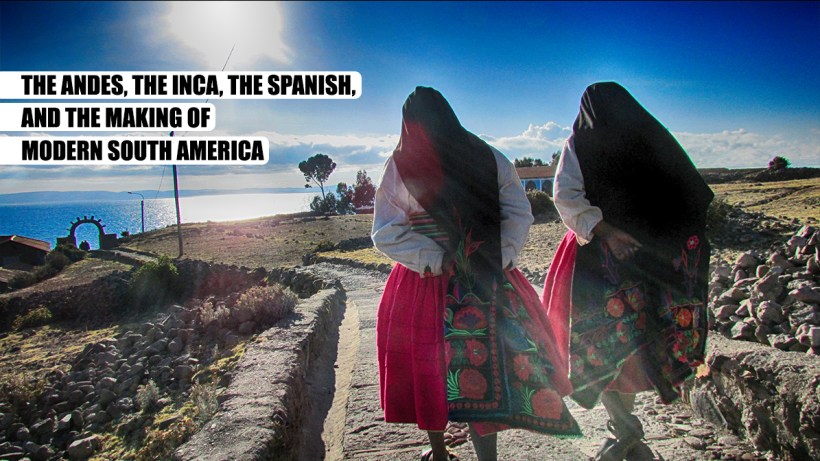
The Andes, the Inca, the Spanish, and the Making of Modern South America

Continue reading “The Andes, the Inca, the Spanish, and the Making of Modern South America”

A Guided Tour of Bolivia, 2016.

Continue reading “A Guided Tour of Bolivia, 2016.”

What if people told European history like they told Native American history?

Kai's avatarAn Indigenous History of North America

The first immigrants to Europe arrived thousands of years ago from central Asia. Most pre-contact Europeans lived together in small villages. Because the continent was very crowded, their lives were ruled by strict hierarchies within the family and outside it to control resources. Europe was highly multi-ethnic, and most tribes were ruled by hereditary leaders who commanded the majority “commoners.” These groups were engaged in near constant warfare.

Pre-contact Europeans wore clothing made of natural materials such as animal skin and plant and animal-based textiles. Women wore long dresses and covered their hair, and men wore tunics and leggings. Both men and women liked to wear jewelry made from precious stones and metals as a sign of status. Before contact, Europeans had very poor diets. Most people were farmers and grew wheat and vegetables and raised cows and sheep to eat. They rarely washed themselves, and had many diseases because…

View original post 431 more words

Potosi and the Globalization of an Empire

Globalization is nothing new – the indigenous peoples slaving away in the Potosi mines 500 years ago could tell you all about it, while Europeans cracked the whip in order to buy Asian-made goods at affordable prices. Add in the fact that the mines were supplied with food and coca by African slaves laboring away in the low lands, and you have a template for the modern integrated global economy – exploitation, unequal rewards, and all. Continue reading “Potosi and the Globalization of an Empire”

The Inca: Church, State, and the Arc of History in the Realm of the Four Parts

Continue reading “The Inca: Church, State, and the Arc of History in the Realm of the Four Parts”

July 27, 2016: New Horizons in South America and Beyond


This may have looked like a blog about some dude’s vacation.  And I won’t lie, I’ve absolutely enjoyed myself out here.  But it has been so much more than just a trip through South America…  The reason I wanted to be here – and the reason that Fund for Teachers so generously funded my research – is that there is something seriously lacking in the historical and cultural education of our students, at least in the United States where I teach. Continue reading “July 27, 2016: New Horizons in South America and Beyond”

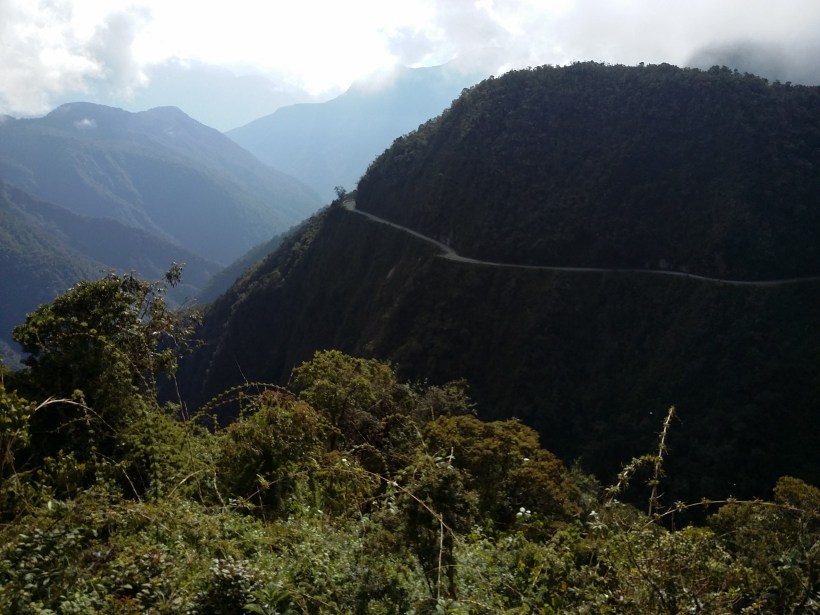
July 25, 2016: It’s a Long Way Down… THE DEATH ROAD!

There was nothing deep about today…  except the steep canyon, its greedy mouth open wide to my left hand side.  My mountain bike skids in the dust, but I’m alright.  It’s just the Death Road..

Continue reading “July 25, 2016: It’s a Long Way Down… THE DEATH ROAD!”

July 24, 2016: Cable Cars, Folk Masks, and Fighting Cholitas

This morning, I woke up on the bus from Potosi, just as we entered La Paz, and two million little lights called out in the darkness to welcome me.  I was going to spend this day with the city. Continue reading “July 24, 2016: Cable Cars, Folk Masks, and Fighting Cholitas”